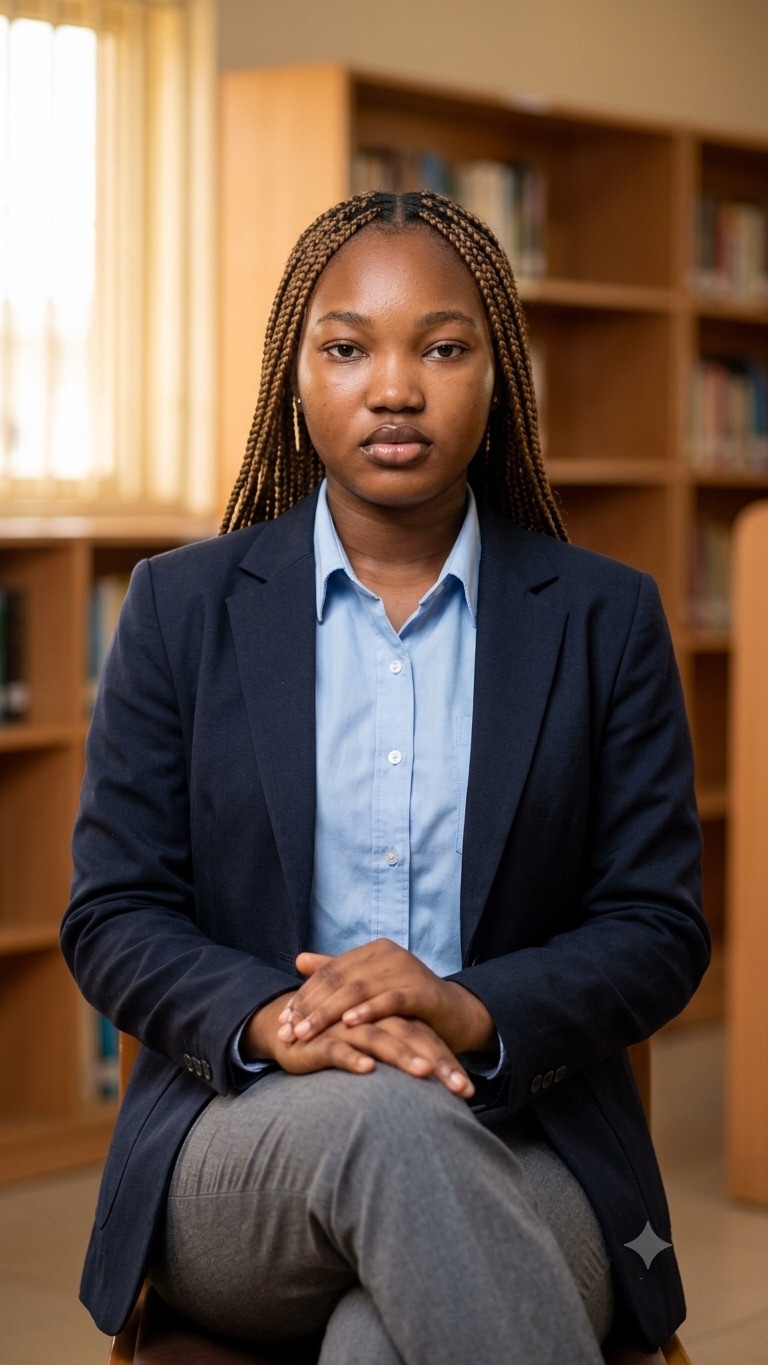

Why do so many people suffer in silence while those around them assume everything is fine?
This is a question I have found myself returning to repeatedly over the years. Not because I set out to study psychology, but because of the people I have encountered, the stories I have heard, and the realities I have observed within my community.
In many parts of Nigeria, emotional suffering is rarely discussed openly. People are expected to be strong, endure hardship, and move forward regardless of what they are experiencing internally. While resilience is often celebrated as a virtue, I have come to believe that there is a difference between resilience and silence. Unfortunately, the two are often confused.
When emotional distress does not appear dramatic, it is frequently overlooked. A withdrawn student may be labeled proud. A struggling young person may be described as lazy. Someone dealing with anxiety may be told to simply be stronger. In many cases, emotional pain remains invisible until it becomes severe enough to disrupt everyday life.
One experience that stayed with me involved a girl in my church who gradually withdrew from the activities and conversations she once enjoyed. While many people dismissed the change as a passing phase, I sensed something deeper. When I eventually spoke with her, she shared concerns about instability within her family, uncertainty surrounding her education, and feelings of hopelessness that had quietly accumulated over time.
What struck me most was not only what she was experiencing, but how easily it had gone unnoticed. Her distress was real, yet because it was not loud or dramatic, it was misunderstood.
That experience challenged me to think more carefully about how emotional suffering is recognized and responded to within our communities.
As I grew older, I realized this was not an isolated situation.
Living in Northern Nigeria, close to regions that have experienced communal conflicts, violence, displacement, and insecurity, I have witnessed how trauma quietly settles into everyday life. News reports often focus on the immediate events: the attacks, the casualties, the destruction, and the aftermath. Yet far less attention is given to what happens after the headlines disappear.
What happens to the child who witnessed violence?
What happens to the young adult who lost a parent unexpectedly?
What happens to families forced to rebuild their lives after experiencing unimaginable loss?
For many people, the answer is simple. They continue living.
But continuing to live does not necessarily mean healing.
Behind ordinary conversations and daily routines are individuals carrying grief, fear, anxiety, and traumatic memories that may remain unresolved for years. Many continue functioning because they have no alternative. Others learn to suppress their emotions because they do not feel safe discussing them openly.
The psychological impact of trauma does not always announce itself immediately. Sometimes it appears gradually through withdrawal, emotional numbness, anger, difficulty concentrating, sleep disturbances, or persistent feelings of hopelessness. Yet because these experiences are not always understood as psychological concerns, they often remain untreated.
This reality became even more apparent as I began learning about psychology.
One of the most fascinating things I discovered is that human behavior rarely exists in isolation. People’s thoughts, emotions, and actions are influenced by a complex interaction of personal experiences, social expectations, culture, environment, and life circumstances.
The more I learned, the more I recognized patterns around me that I had previously observed but could not fully explain.
I began to understand that emotional struggles are not always signs of weakness. Sometimes they are natural responses to difficult circumstances. Grief after loss, anxiety during uncertainty, and emotional distress following traumatic experiences are not character flaws. They are human responses that deserve understanding and support.
Wanting to better understand attitudes toward mental health, I conducted an independent survey involving Nigerian youths. While the survey was modest in scale, the responses revealed concerning patterns.
Many participants associated psychological support with weakness or personal failure. Others feared being judged by friends, family members, or members of their community if they sought professional help. Some believed emotional struggles should remain private regardless of their severity.
Several respondents admitted they would rather endure emotional suffering alone than risk being misunderstood.
These findings reflected something I had already begun noticing in everyday life. The challenge is not only limited access to psychological services. It is also the persistence of stigma surrounding mental health.
In many communities, seeking support for emotional difficulties is still viewed differently from seeking treatment for physical illness.
If someone develops malaria, they are encouraged to seek treatment.
If someone breaks a bone, they are encouraged to seek treatment.
Yet when emotional difficulties emerge, people are often told to simply endure them.
This difference in response reveals a broader misunderstanding about mental health.
Many people continue to associate mental health exclusively with severe psychiatric disorders. As a result, conversations about emotional well being, stress management, trauma recovery, anxiety, grief, and depression are often neglected.
Mental health is not simply about illness.
It is about how people think, feel, cope, relate to others, and navigate life’s challenges.
Just as physical health exists on a spectrum, mental health exists on a spectrum as well. Supporting mental well being should not begin only when a crisis occurs. It should be an ongoing part of healthy communities.
Fortunately, change is possible.
Across different parts of the world, increasing attention is being given to mental health awareness, early intervention, and accessible support systems. Schools, community organizations, healthcare institutions, and governments are exploring ways to make psychological support more accessible and less stigmatized.
These efforts highlight an important lesson: meaningful progress begins with recognition.
Problems that remain invisible are difficult to address.
This is one reason why awareness matters.
When people understand the signs of emotional distress, they become better equipped to support themselves and others. When communities create safe spaces for honest conversations, individuals become more willing to seek help. When stigma decreases, more people gain access to the support they need before their struggles become overwhelming.
Through my involvement with youth development initiatives, particularly within the Nigerian Girl Guides Association, I have had opportunities to interact with young people facing a wide range of personal challenges. These experiences have reinforced my belief that emotional well being deserves far greater attention than it currently receives.
Many young people are navigating academic pressure, family difficulties, financial uncertainty, identity concerns, and social expectations simultaneously. Yet they often lack spaces where they can discuss these experiences openly and constructively.
This is why early intervention is so important.
Support should not begin only when problems become severe. It should begin much earlier through education, awareness, mentorship, and accessible resources.
Young people who learn healthy coping strategies are often better prepared to navigate future challenges. Communities that prioritize emotional well being become better equipped to respond to adversity. Societies that recognize psychological health as an essential component of overall well being create stronger foundations for future generations.
For me, these observations have transformed psychology from an academic interest into something much more meaningful.
Psychology offers tools for understanding human behavior, addressing emotional challenges, and developing evidence based approaches to improving lives. It provides a framework for asking important questions while also seeking practical solutions.
The question is no longer whether emotional suffering exists within our communities. Its presence is undeniable.
The real question is whether we will continue to overlook it or choose to respond differently.
I believe a future where fewer people suffer in silence is possible. I believe communities can become better at recognizing emotional distress before it becomes overwhelming. I believe support can become more accessible, conversations can become more open, and stigma can gradually be replaced with understanding.
Most importantly, I believe that meaningful change begins when people stop viewing emotional suffering as something to hide and start recognizing it as something worthy of attention, compassion, and support.
I do not want to be remembered merely for the questions that first led me toward psychology. I want to contribute to the answers. The answers that help individuals heal, the answers that strengthen communities, and the answers that ensure fewer people are left to carry invisible burdens alone.
Because silence should never be mistaken for strength when what people truly need is understanding.
WRITTEN BY BEST DANDISON
PUBLISHED BY KINGDOMBOIZ MEDIA