









Defensive Football Strategies in Nigeria
The success of football clubs in Nigeria, even from the grassroots to the professional leagues, relies heavily on the implementation of effective defensive strategies. Coaches from all levels of the game, focus on teaching players how to defend, keep their shape, and deal with the attacking pressure from the other team. With Nigeria’s reputation for producing very good attacking players, having a solid defensive system in place to reduce the number of goals conceded is very important. This piece looks into the ways Nigerian coaches are able to build defensive football strategies in the modern game, the reasons some formations are preferred in the Nigerian game, and how tactical formations on the defensive side of the game are used to defend against the attacking team. Get https://nigeria-bets.com/bookmakers/helabet/ios-app today and discover more!
How a Professional Coach Organizes a Modern Backline
To build a solid defensive line in modern Nigerian football, a great deal of emphasis is put on teamwork rather than individual contributions. Each of the defenders must work together to become a defensive unit, and how successful they are in doing this will really come down to how well they position themselves, how aware they are, and how effective their communication and coordination is. Coaches who have experience working with a number of teams will tend to place emphasis on the defensive structure, and this is especially true in the building phase of a formation. Each of the defenders must know their contribution to the overall defensive system.
The Philosophy of Building a Defensive Team from the Goal Area
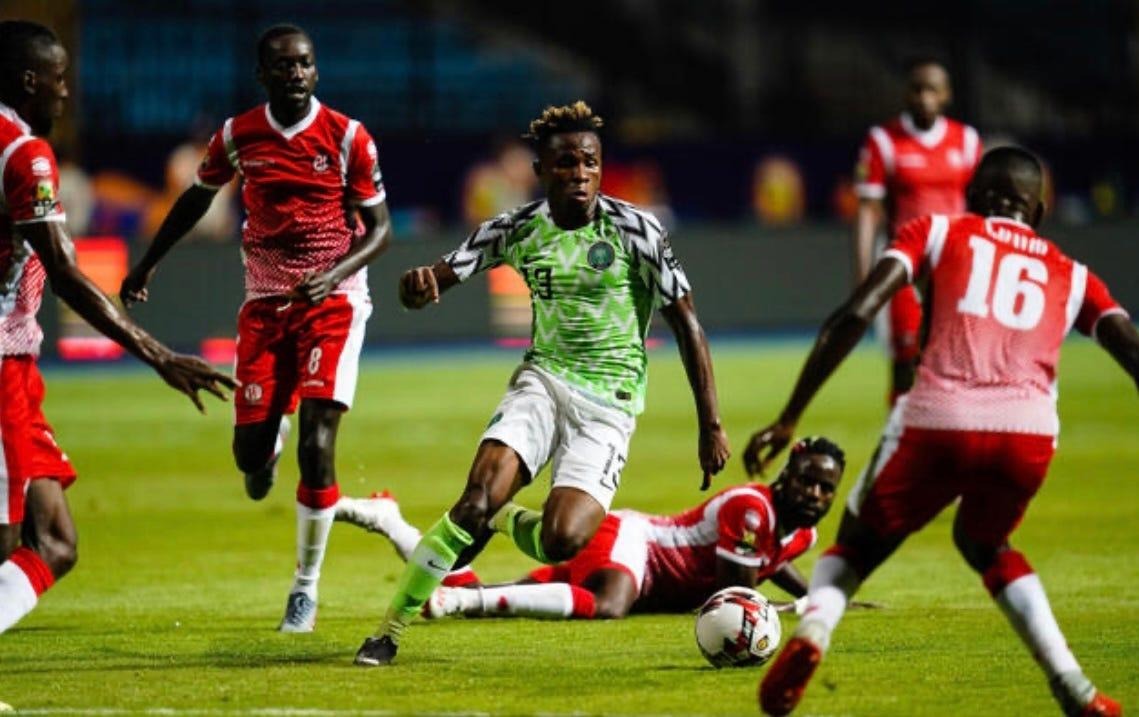
Most structures in professional setups begin with the goalkeeper. In this case, the goalkeeper organizes the defense by telling them how high to hold the line and who to mark, and from here, four or five defenders create a decent line to defend a specific area. The idea is to defend the area first, and then when the ball is in contention for the zone, they challenge the defender. This is how teams try to think in advance to defend a zone, instead of being reactive and defending the area.
Developing Leadership and Communication Among Defenders
In the Nigerian leagues, where the game is very fast and defensive, communication is especially important. Center-backs are often trained to lead in this defense. In defense, the full-back or the wing-back is responsible for communicating the most about the runners in the defense. This control allows the defenders to maintain their shape and respond to the movements of the forwards when they are breaking out of the defensive zone or are about to penetrate the defensive zone.
Mastering the 4-4-2 for Maximum Security
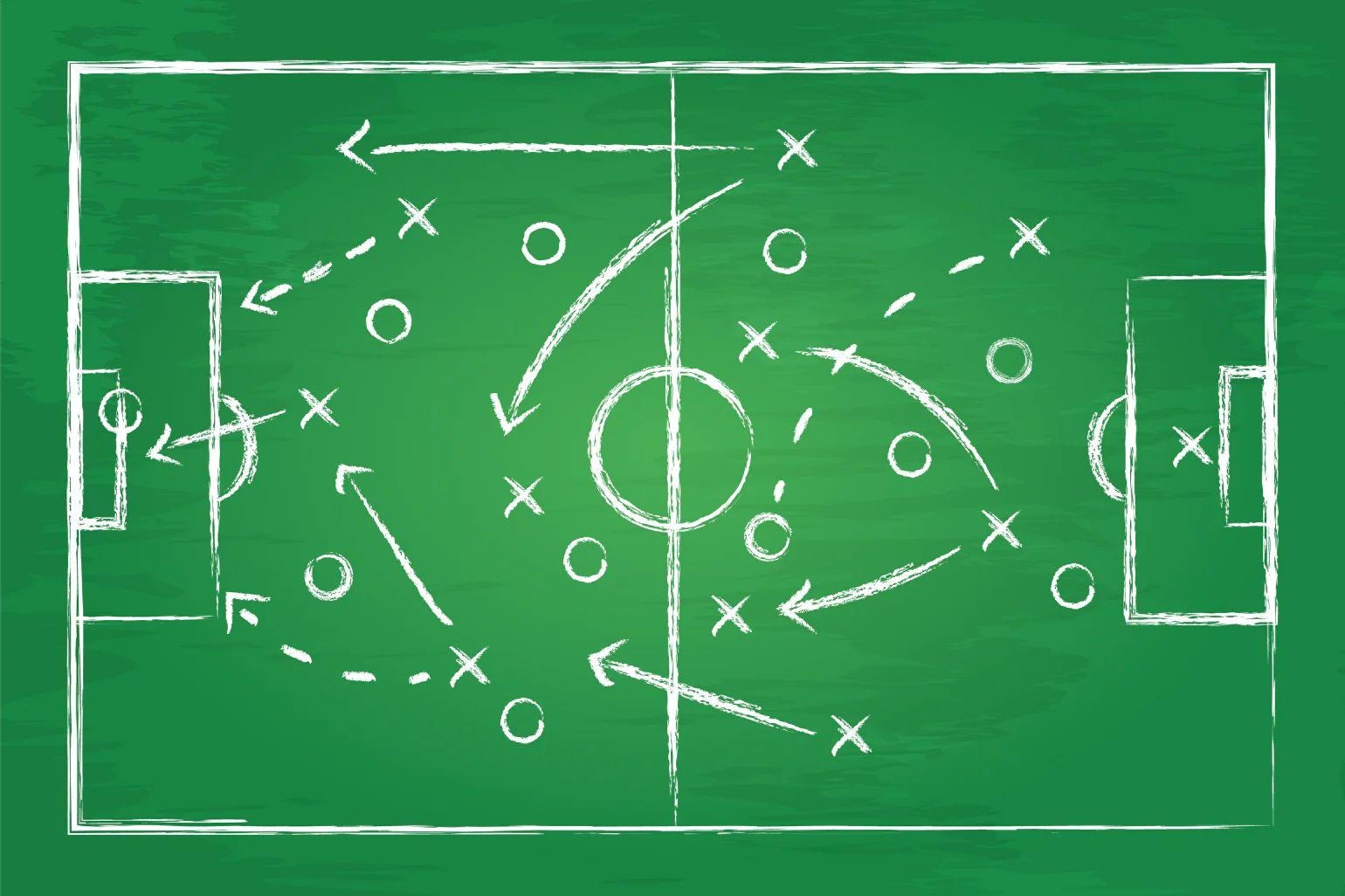
The 4-4-2 formation is the most commonly used formation in the defense system in Nigeria, and for good reason. Defensively, it provides a lot of balance, a lot of clarity, and a lot of simplicity, which is why it’s great for teams with a wide range of experience.
Why the 4-4-2 Remains the Gold Standard in Nigeria
Most Nigerian teams prefer the 4-4-2 formation as it easily incorporates a strong emphasis on defense. There are four defenders covering the back and the two banks of four help the team to retain shape and of control of the space in between the lines. This formation also fits the indigenous players’ tendencies of advancing the ball quickly by running, while also providing for a defense in the rear.
Midfield Screening to Protect the Back Four
There is a great deal of reliance on the 4-4-2 formation on the central midfielders as they cover the defense by blocking the passing lanes of the offensive players, applying pressure on the opponent’s playmaker and facilitating the interception of passes to the front players. Their placement in the formation ensures that the distance between the midfield and the defense is reduced, thus the defenders in the center of the defense are unable to be bypassed and the central lanes of the formation are defended against short passes.
The Classic Flat Four Alignment and Its Structural Strengths
The primary focus of the flat back four is on the compactness and the horizontal balance. All four defenders shift together in unison to cover all of the channels, thus leaving no gap for the attacker to penetrate. This defensive structure also permits the defenders to tackle decisively and recover the ball without having to shift from their assigned roles.
Choosing a Defensive Formation to Neutralize Attacks
The formation adjustments used by Nigerian coaches depend on the attacking patterns of the opponent. Each coach will come up with a defensive strategy based on the opponents.
The 5-3-2 Setup for Total Penalty Area Control
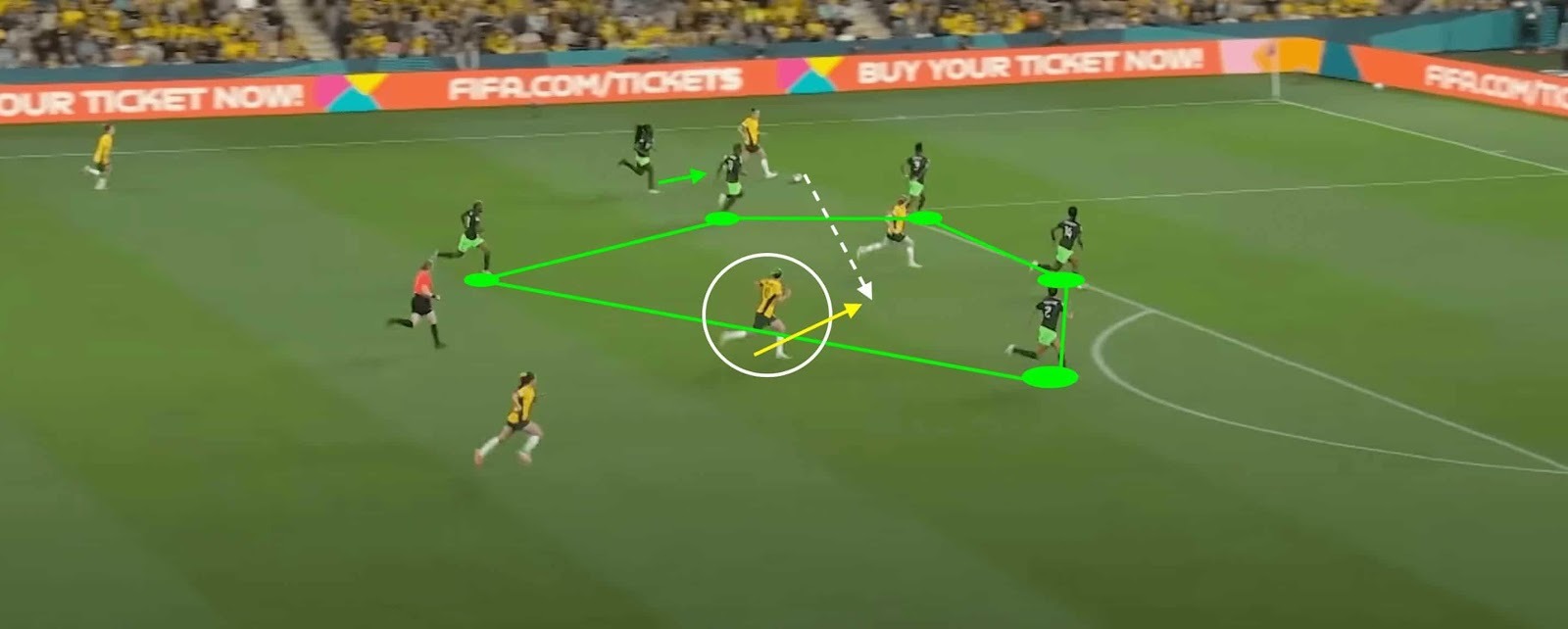
The 5-3-2 formation adds a center back to the defense so the defense can cover the 18-yard box even better. Having five defenders allows the team to better defend crosses and aerial duels. The outside backs will drop back to defend and the midfielders will cover the passes. This formation is good against teams who attack through the wings a lot.
Implementing a 4-5-1 to Dominate the Midfield Space
The 4-5-1 formation is used to control the midfield and the opponents possession of the ball. By being packed in the middle of the field, the attacking team is being pressured heavily and the options to pass are reduced. This formation is good to use when playing away as it allows the coach to control the attacking momentum.
The 5-4-1: Deploying the Most Defensive Setup Possible
5-4-1 is to defend in a very deeper setting and is meant to hold onto leads. With two blocks of 5 and 4, the defending team is forming a set of walls and is forcing the opponents to attack from the outside. The objective of this formation is not to tackle a lot; this formation is meant to wait to steal the ball when the attackers make a bad decision.
Implementing Effective Defensive Tactics on Game Day
Defensive formations and tactics go hand in hand. The structure gives players areas to cover or defenders to keep. Match day involves coaching players in discipline and adaptability to carry out plans.
Zonal Marking vs Man-to-Man Systems in Local Leagues
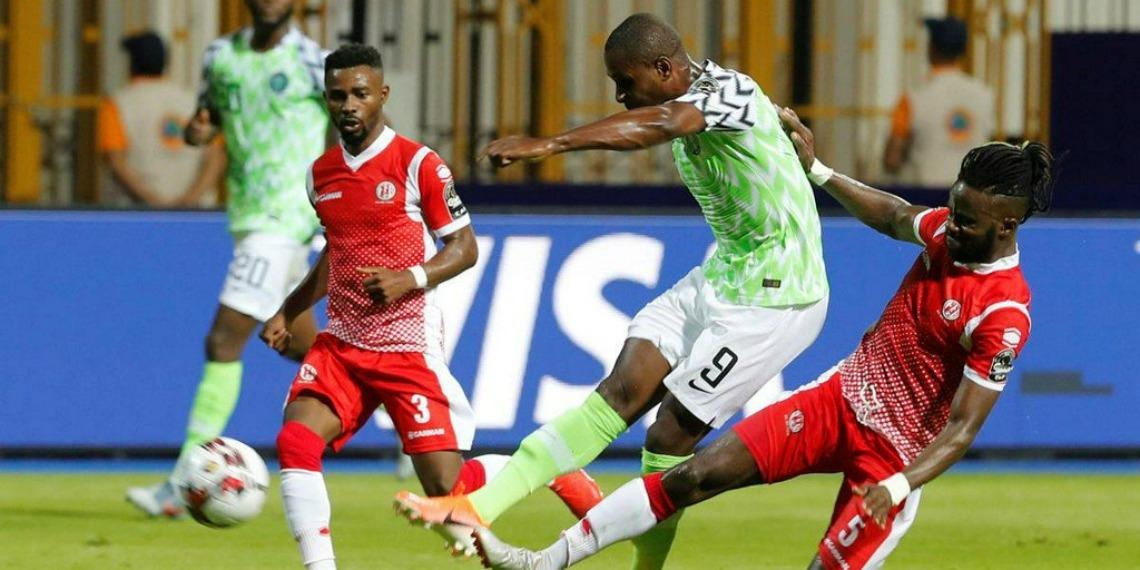
Zonal marking seems to be the defense of choice in Nigeria because it is less about chasing the players and more about understanding the defense in areas. Within a zone, defenders step in to play the blocker or attacker. For some dominant forwards in one-on-one situations, man-to-man is still the defense of choice, though it takes a lot of focus and energy.
The Art of the Offside Trap and High-Line Risks
Defenders keep the line high to squeeze the play and limit the defense’s ability to break out. This requires coordinated effort by the whole line to play together and catch the attacker offside. This offside trap relies heavily on communication. Ironically, it is often the lack of this communication that sets up the trap in defense of the open space behind.
How a Defensive Tactic Shifts During Set-Piece Scenarios
Set pieces tend to make defensive roles more rigid and defined. Players are assigned either to cover a pass, track a runner, or clear the area. Many teams seem to switch to a hybrid approach when it comes to defense to limit the number of scorers, mixing zonal and man defenses to control the area.
Defensive Strategies to Control the Pitch
Defensive strategies, beyond formations, aid teams in controlling the direction of the game.
The Low Block: Parking the Bus in Nigerian Stadiums
And example of using the low block would be to use it against other teams that are more technical than yours. When they defend deep and remain close together with little gaps to deny access to the middle, they make it very difficult for attackers to find gaps, leading to long-range shooting rather than clear chances.
Pressing and Closing Down to Disrupt Opposition Build-up
Some teams use a more disorganized style to apply pressure on the opposing offense and attempt to gain the ball at higher points on the pitch. This approach requires strong defensive players with the ability to anticipate movement and react quickly. Defenders and midfielders must stay compact, close passing channels, and focus on pass coverage to limit the passing options of the opposing team. When the ball is played into pressured areas, the goal is to intercept, regain possession, and make it difficult for the opposing team’s buildup to develop naturally. When executed correctly, pressing disrupts rhythm and reduces scoring opportunities for the opposing team from scoring consistently.
Transitioning from a Defensive Strategy to a Counter-Attack
An effective attack creates a counterattack. As soon as defenders win back the ball, focus shifts to moving quickly, and counter attacking. This means quickly spotting gaps left behind the opposition and using either a series of short, forward, pass, or a single long ball, to exploit those gaps. This is how the attacking team maximizes their defensive efforts.
Conclusion
The Nigerian defensive football strategy has evolved due to the level of competition, the speed at which the game is played, and the early innovations of the game off the ball. Restricting and gaining control of the game with a defensive setup like a 4-4-2, 5-3-2, or 4-5-1 is all about communicating to your players the tactics you will employ. It is said that the winners of the Nigerian league are the teams that manage to control their games the best. These defensive systems depend on a unit to control the entire system.
FAQs
Which coach is famous for the best defensive strategy in Nigeria?
The most experienced and successful Nigerian league coaches are able to create highly agile systems on the field, He is able to do this because of his recognition of the players to form a complete system.
Why is the 4-4-2 favored by so many Nigerian clubs?
The 4-4-2 simplifies participation of players and provides defensive coverage. The structure of the system allows each player to engage in the game at all levels — defense, midfield, and forward.
What is the most important defensive tactic for amateur teams?
The defensive tactic for children’s football is concentration and vertical or lateral movement, as in most cases, the defense will be abandoned to support the attack. Having a simple structure will help children avoid conceding cheap goals.
How do you choose the right defensive formation for an away game?
To handle away games, the coach analyzes the opposition’s attacking style and picks a defensive formation that minimizes space. For example, the coach could employ a 4-5-1 or 5-4-1 where he absorbs pressure, and monopolizes control of the midfield.
Which drill is best for improving a center-back’s positioning?
When it comes to small, defensive zonal drills and a focus on reaction to the ball’s position, the most effective drills, the timing, awareness and controlled interception improve of the pressure.